
Smart Tunnelling:
Why Is Data Becoming the Most Valuable Asset?
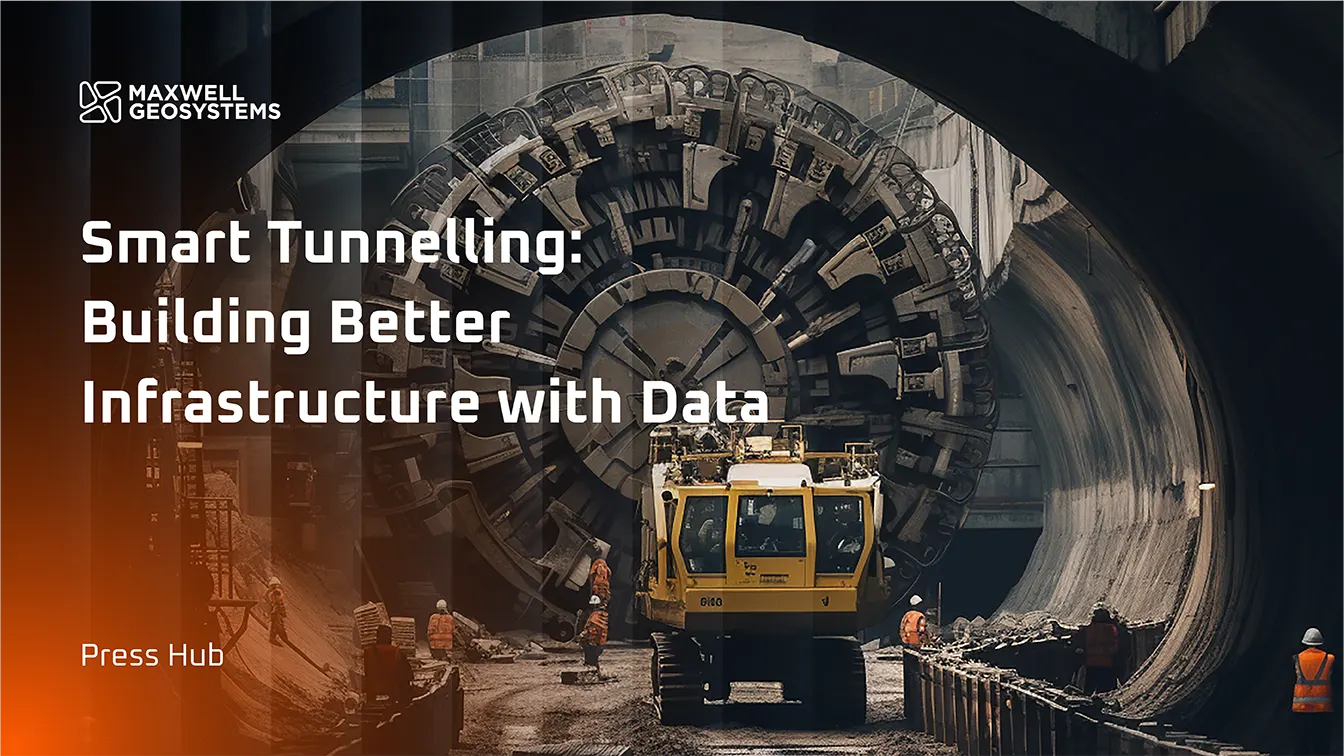
As tunnelling projects become larger and more complex, the need for reliable, connected, and real-time data has never been greater. Smart tunnelling combines digital technologies, monitoring systems, and integrated data management to help project teams improve decision-making, reduce risk, and deliver safer, more efficient infrastructure.
Why is smart tunnelling becoming essential for modern infrastructure projects?
Modern tunnelling projects generate vast amounts of information from ground investigations, monitoring instruments, Tunnel Boring Machines (TBMs), and construction activities. Bringing these data sources together enables project teams to make informed decisions faster, improve collaboration, and proactively manage project risks.
What role does data play in successful tunnel construction?
Data delivers value only when it is accurate, standardized, and easily accessible. Well-managed project information helps engineers monitor performance, identify potential issues early, maintain compliance, and create a reliable digital record throughout the project lifecycle.
What insights does Dr. Angus Maxwell share?
Dr. Angus Maxwell, Founder & CEO of Maxwell GeoSystems, emphasizes that collecting data is only the first step. To unlock its full value, project information must follow consistent standards, remain interoperable across systems, and be delivered in formats that support long-term asset management. He also highlights the growing importance of data-driven risk management and internationally recognized best practices in modern tunnelling.
How do digital platforms support smarter tunnelling?
Digital platforms provide a single source of truth by connecting monitoring, construction, engineering, and project data. This enables real-time visibility, supports proactive risk management, and helps stakeholders make faster and more confident decisions throughout the project lifecycle.
What is the key takeaway?
The future of tunnelling lies in combining engineering expertise with digital innovation. By adopting standardized data, connected workflows, and intelligent digital platforms, the industry can improve project delivery, enhance safety, and build more resilient underground infrastructure.
Follow our socials!